- Commercial Real Estate Weekly
- Posts
- Top Market Insights: Retail Pipelines Thins Out in 2026 🏬
Top Market Insights: Retail Pipelines Thins Out in 2026 🏬
March Retail Projects Have Slowed as Costs Rise

Hey there,
When home sales slow, projects get delayed and management needs scale up, your strategy deserves another look.
Use this issue to test whether your pricing, development plans and management approach still match today’s demand, costs and capital flows.
These highlights are meant to help you adjust your next move with clearer numbers and more grounded expectations.
Table of Contents

Renewal Strategy Play
NAR’s Spring 2026 Resale Check-In Strat
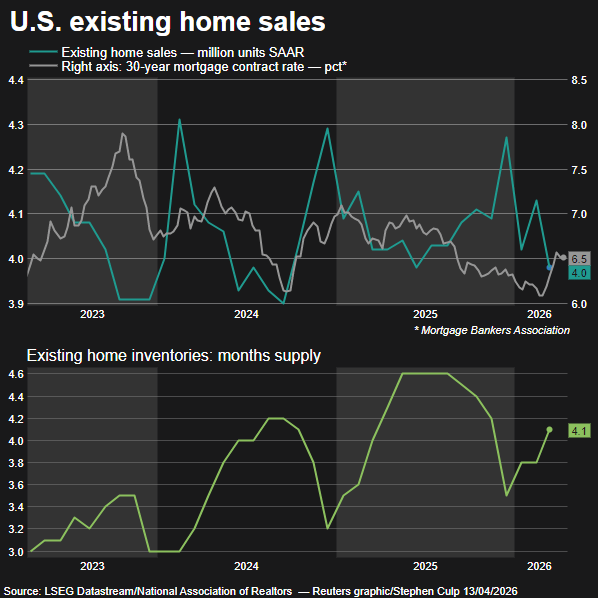
Existing-home sales fell 3.6% in March 2026 to a nine-month low of 3.98 million annualized, as weaker confidence, soft job growth, and slightly higher mortgage rates cooled demand while prices still rose to a 408,800‑dollar median.
3 quick steps:
Prioritize qualified buyers: Concentrate on buyers with solid financing and clear timelines in a slower, less affordable market.
Sharpen pricing strategy: Set asking prices close to current comps to reduce time on market and avoid stalled listings.
Update assumptions: Adjust sales, rate, and absorption expectations to reflect weaker demand and uncertain mortgage rate trends.
Expected result:
Sellers and brokers can keep deals moving by focusing on realistic pricing, stronger buyers, and updated expectations for sales pace.
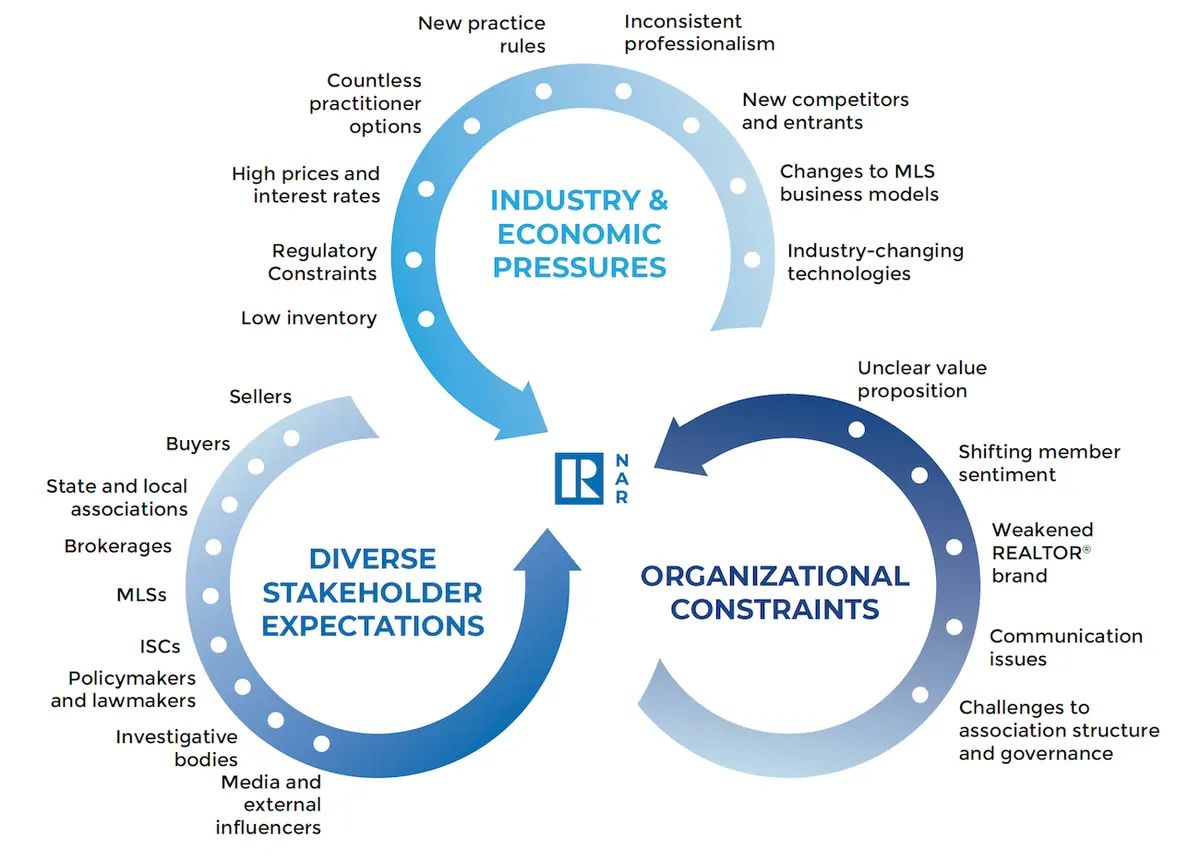


🏠 U.S. Home Sales Fall in This Year’s March
Sales of existing U.S. homes dropped 3.6% in March to an annual rate of 3.98 million, the slowest pace in nine months, according to the National Association of Realtors. Lower consumer confidence and slow job growth affected demand, even with slightly lower mortgage rates. The median home price rose 1.4% from last year to $408,800. See full article.
Why this matters (fast take):
📊 Sales Slowed: Demand stayed weak as affordability challenges and economic concerns limited buying activity.
🏘️ Prices Higher: Home values increased again despite declining sales and limited housing supply.
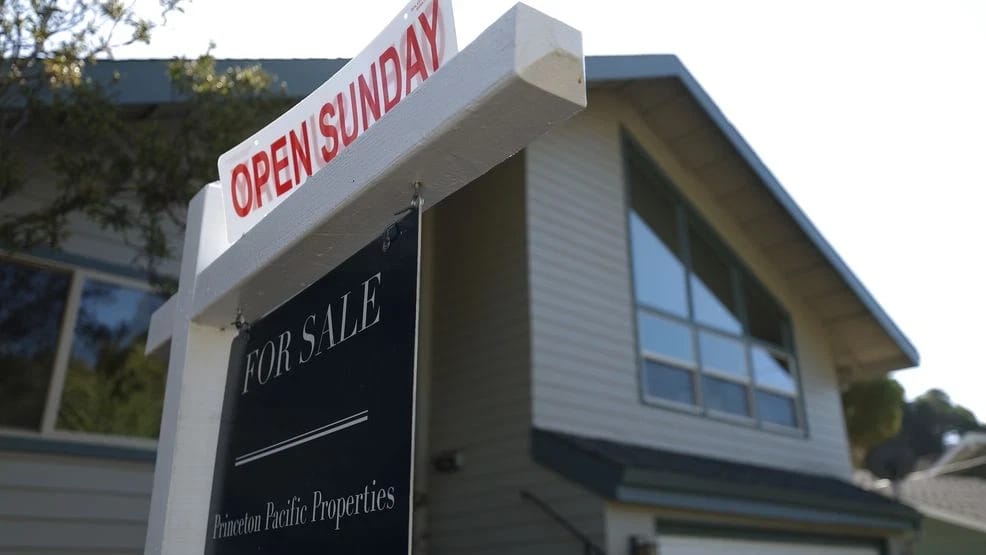

🏠 U.S. March Home Sales Hit 9-Month Low as Prices Reach New High
U.S. retail construction slowed in Q1 2026, with 64.2 million square feet underway, down from about 70 million square feet a year earlier and well below the 10-year average of over 90 million. Higher land, construction, and financing costs are making new projects harder to justify, even in markets with strong demand. See full article.
Fast move:
🏬 Supply & development: Construction volumes are near early post-pandemic lows as elevated costs reduce the feasibility of new ground-up projects.
📍 Market dynamics: Dallas, Houston, Austin, and other Southern markets lead with pre-leased projects, while many other metros carry more unleased space.

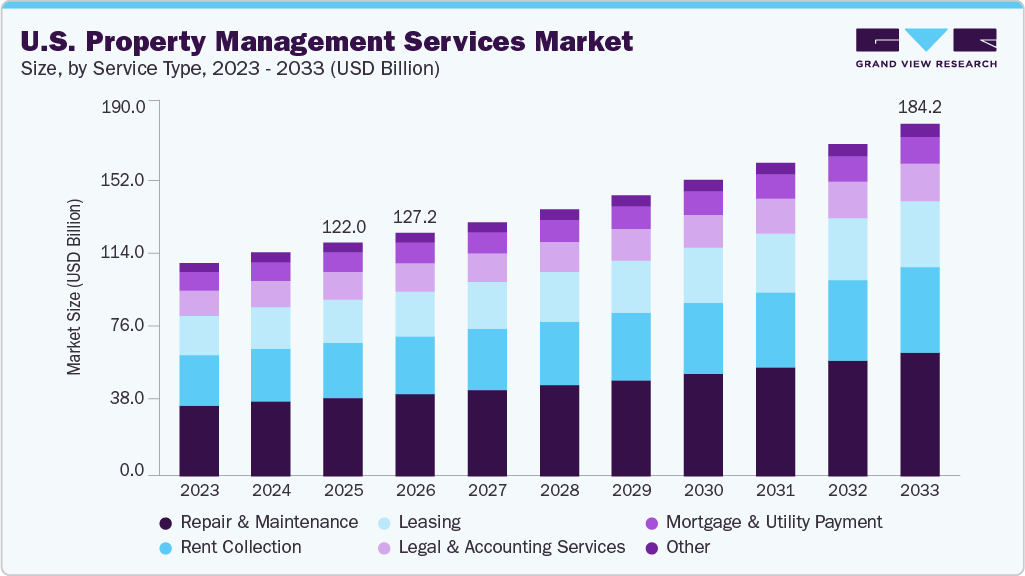
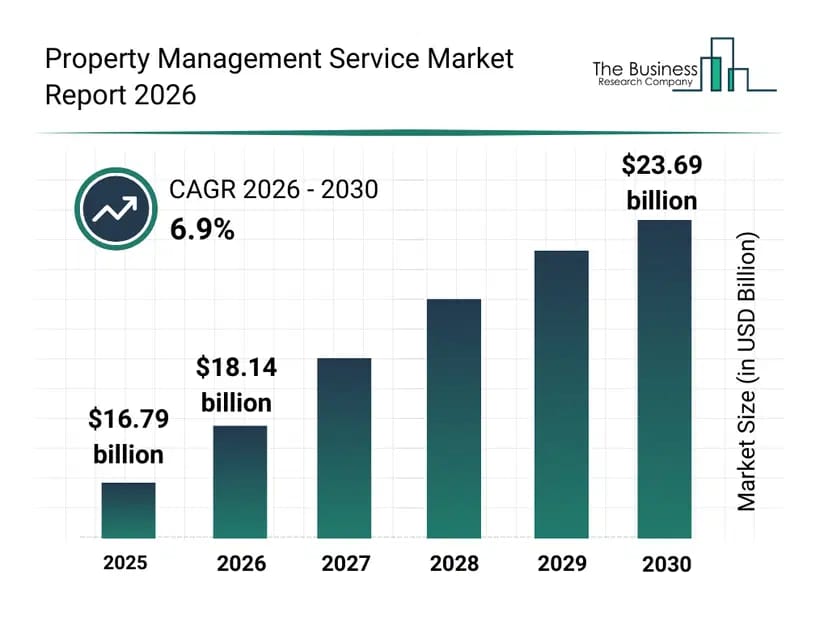
🤝 Property Management Services Market Set for Growth
The U.S. property management services market is set to grow from 122.02 billion dollars in 2025 to 184.25 billion dollars by 2033, driven by new construction, rental demand, and wider outsourcing to tech-enabled managers focused on repair, maintenance, and larger commercial and investor-owned portfolios. See full article.
Fast move:
📊 Market momentum: The sector is set for steady growth as new construction, rental demand, and investment capital expand the pool of managed properties.
⚙️ Tech & outsourcing: Owners now are using tech-enabled managers for rent collection, maintenance, and compliance to cut manual work and streamline ops.

Property Management Upgrade Move
U.S. Property Management Services Growth Plan
The U.S. property management services market is projected to grow from 122.02 billion dollars in 2025 to 184.25 billion dollars by 2033, driven by new construction, investor demand, and tech-enabled management that automates more day-to-day operations.
3 Steps to Roll This Out:
Assess portfolio needs: Pinpoint properties and tasks where manual work and time spent are highest.
Evaluate platforms & partners: Compare tech-enabled managers and software that can centralize operations and data.
Phase implementation: Pilot new tools or partners on a limited set of assets, then scale to the wider portfolio.
Expected result:
Owners and investors can handle more properties with less manual effort and improved oversight across their portfolios.
📊 Take This Edition’s Poll:
 |
Why It Matters
Shifts in sales pace, construction activity and management models directly influence values, lease terms and risk on new deals.
This issue turns those shifts into simple checks for your next buy, hold or build decision before you sign a lease or wire funds.
Catch you in the next issue,

Anne Morgan
Editor-in-Chief
Commercial Real Estate Weekly
P.S. Interested in sponsoring a future issue? Just reply to this email and I’ll send packages!